



Whoa! I mean, really—your seed phrase is the single sentence that stands between you and freedom from custodians, or total loss. Short story: people treat it like fine print. They scribble it on scrap paper, stash it in a drawer, and then act surprised when something goes wrong. My instinct said “somethin’ feels off” the first time I watched a friend store a seed photo on their cloud. Nope. Not okay.
Serious question: do you trust a third-party cloud provider more than you trust yourself with private keys? Hmm… On one hand, convenience is seductive. On the other hand, a leaked backup means your assets could vanish in minutes. Initially I thought paper backups were quaint and fragile, but then realized they can be the most resilient solution when done right.
Here’s what bugs me about modern crypto security. People obsess over hardware wallet models and trading strategies, yet they rush the backup. It’s like buying a safe and leaving the combination on a sticky note stuck to the door. That part still makes me cringe. Okay, so check this out—this piece is about practical, defensible habits that actually work for real users who want rock-solid custody without getting paranoid or doing something dumb.
Think Small, Plan Big: The Psychology of Backups
Short rule: backups should be boring. They should feel routine. Not dramatic. Not flashy. Keep it simple. Keep it redundant. Keep it private. These three modest ideas cover a lot of risk. When I talk to folks in meetups (oh, and by the way I hang at a few Brooklyn coffee shops where the crypto crowd meets), the same messy mistakes come up.
People want quick access. They want to trade. They want to feel nimble. But trading speed and secure backup are often opposed. On one hand, storing seed in a password manager is convenient. Though actually, wait—let me rephrase that: password managers are great, but storing your raw seed there is a decision that needs a lot more thought. If the manager is breached, or if your master password is phished, the results are immediate and complete.
So what’s a better approach? Use hardware wallets for signing — that part is non-negotiable for me — and separate the backup strategy into layers. Layering means multiple independent backups, ideally in different formats and locations. Paper, metal, and controlled digital backups (encrypted and offline) each have pros and cons. Mix them.
Hardware Wallets and Daily Workflow
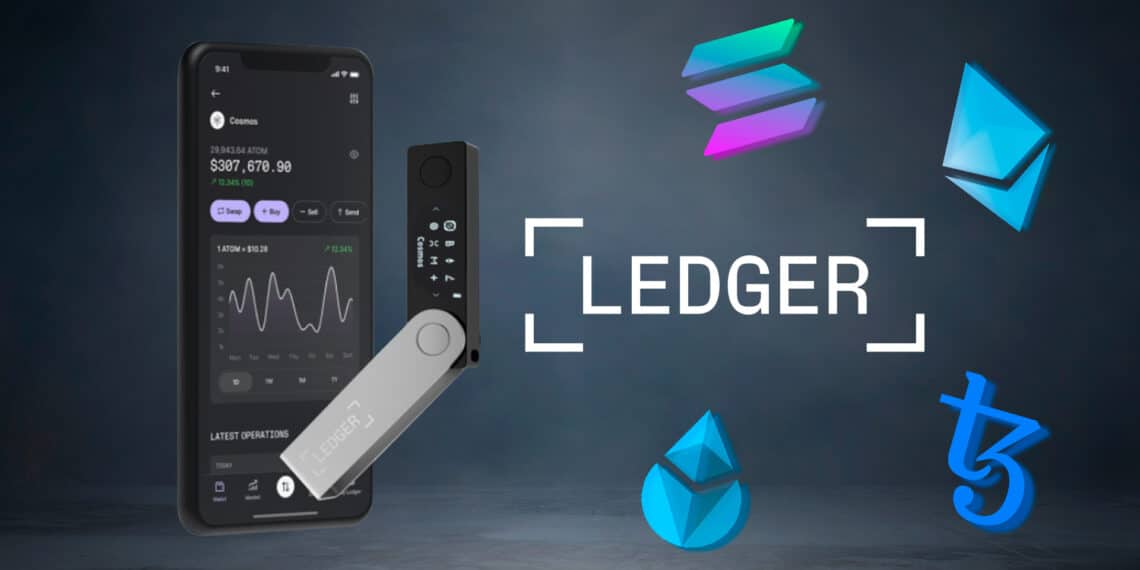
Most traders use a hardware wallet to reduce online exposure. It’s sensible. The device keeps your private keys offline and signs transactions on-device. If you own a hardware wallet, you should also learn its companion software. For example, users often pair their device with interface apps like ledger live for managing accounts and installs. That tool helps keep firmware updated and transactions transparent, but it’s still secondary to the seed phrase itself.
Funny but true: firmware updates can spook people. They worry an update could brick a device. My experience says updates are usually safe—back up first, then update. If you’re ever tempted to skip a backup because “I’ll just update first,” stop. Backup first. Then update. Trust me on that.
Practical Backup Options (Real-World, No Hype)
Option one: high-quality paper backup. Write your phrase legibly, use an archival pen, and laminate or store in a waterproof envelope. This is cheap and human-readable. Downside: fire, flood, or nosy relatives.
Option two: metal plates. These are designed to survive fire, water, and time. They’re pricier, but they last. Etch or stamp your words. Or use a word-index system if you want to avoid lettering exposure. People sleep better with metal in a safe.
Option three: multi-location redundancy. Split the phrase into parts (Shamir backup or manual splits) and store parts in separate secure locations like a safety deposit box, a trusted family member’s home, or a personal safe hidden in the house. This reduces single-point failure risk. But be careful: splitting increases complexity and human error potential. Don’t overdo it. If you split, document recovery steps somewhere secure—just not next to the split parts!
Option four: encrypted offline digital backups. Some people create an encrypted file (PGP or strong symmetric encryption) stored on an air-gapped USB with write-protection. This is technical and requires discipline; losing decryption keys is a real risk. Use this only if you’re comfortable with the tech, and test recovery (test, test, test).
Tradeoffs and Threat Models
This matters: define your threat model. Are you worried about a casual burglar, a rogue family member, or a targeted nation-state actor? Your storage choices should follow that threat profile. For most people in the US, a combination of a hardware wallet in daily use and two offline backups—one metal, one paper in separate locations—is a strong balance of practicality and safety.
Something felt off about the trend of “fully digital” backups touted as foolproof. Honestly? The more centralized the storage, the higher the risk. Cloud backups are easy, but they centralize failure. A cloud provider can be hacked, subpoenaed, or glitch. If you must use cloud as part of a layered approach, encrypt before you upload, and treat it as convenience-only—not as the primary copy.
Recovery Drills and Human Factors
Here’s a practical habit: schedule an annual recovery drill. No, not invasive. Just practice restoring a wallet from your backup to a device you control, using a new wallet or a secure emulator. Make sure the restoration process works and that the assumption “my backup will work” is actually true.
People underestimate social engineering. A savvy attacker will call, email, or manipulate someone who has access. Train your circle. Tell trusted custodians what to do if you are incapacitated and what not to do. Create simple, non-sensitive instructions for heirs. This is less glamorous than multisig setups, I know, but it’s very very important for practical safety.
When to Use Multisig
Multisig is great for larger amounts or organizations. It prevents a single point of failure and forces collusion for movement of funds. But it adds complexity and increases coordination needs. If you’re a casual trader with moderate holdings, single-signature hardware plus good backups is fine. If you hold funds at scale, or if multiple people must approve moves, pursue multisig with expert help.
On one hand multisig is secure; on the other hand, it can be painful during emergencies. Balance risk and recovery speed. Make choices based on how much you can tolerate downtime versus how much you fear theft.
FAQ
How many backups should I have?
Two or three independent backups are ideal. One near-term (trusted safe or home safe) and one off-site (safety deposit box, trusted friend, or another secure location). Make sure they’re different formats if possible—paper vs metal vs encrypted digital—to diversify risk.
Is storing the seed in a password manager OK?
It can be, if you encrypt the seed before storing and you use a very strong master password plus 2FA. But for most users, keeping raw seed words in a password manager increases attack surface. Treat password managers as part of a layered approach, not the sole safeguard.
What about sharing my seed with a lawyer or family member?
Be careful. If you trust someone and legal access is required, use sealed instructions or a trust arrangement rather than giving raw access. Legal frameworks, like wills and trusts, are helpful—but they must be written with crypto-specific language and an understanding that access equals control.
I’ll be honest: this is messy sometimes. Security tradeoffs are rarely clean. Something I learned watching people move through gains and losses is that complacency is the real enemy. Do the boring parts well. Test your backups. Use hardware wallets properly. Train your people. And if you want a safe pair of hands for device management, the little things like firmware updates and using the companion apps matter—use them intelligently, not reflexively.
Final thought: you don’t need to be paranoid, but you do need to be prepared. Keep your backups simple, redundant, and tested. Keep them private. And remember: custody is responsibility—it’s a privilege and a task. Treat it like that, and you’ll sleep better. Seriously.